Fine-grained Suede Texture Backgrounds: Elevate Your Design Projects with Luxurious Detail
Fine-grained suede texture backgrounds are a popular choice for designers, artists, and creative professionals looking to add depth and elegance to their projects. These textures mimic the soft, velvety surface of genuine suede, offering a sophisticated aesthetic that can enhance everything from digital graphics to print materials. Whether you're working on invitations, social media banners, or luxury packaging, incorporating fine-grained suede texture backgrounds can bring a sense of refinement and tactility to your work.
The appeal of these textures lies in their ability to create a visually rich and tactile experience without the need for physical materials. They offer a versatile solution for those who want to achieve a high-end look while maintaining flexibility in design applications. The key to effectively using fine-grained suede texture backgrounds is understanding how they can be integrated into different contexts and what considerations should be made during the design process.
What Are Fine-grained Suede Texture Backgrounds?
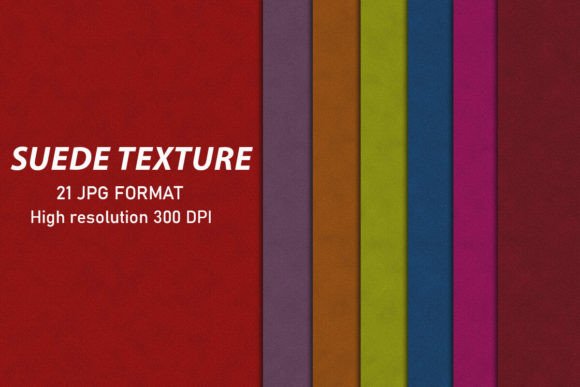
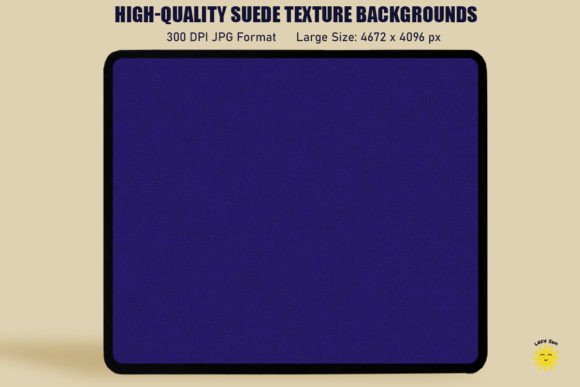
Fine-grained suede texture backgrounds are digital images that replicate the grain and softness of real suede fabric. These textures are often used as background elements in graphic design, web development, and print media. They feature subtle variations in color and pattern that give them a realistic, three-dimensional appearance. Unlike simpler textures, fine-grained versions capture the intricate details of suede, making them ideal for projects that require a luxurious feel.
These backgrounds come in various formats, including JPG, which ensures high-quality resolution and compatibility across different platforms. A typical file size is around 4672 x 4096 pixels at 300 DPI, providing excellent clarity even when printed. This makes them suitable for both digital and print applications, allowing users to resize them as needed without compromising quality.
Challenges and Goals in Using Suede Textures
Designers and creators often face challenges when trying to achieve a specific visual effect or texture in their projects. One common issue is finding a texture that accurately represents the desired material without appearing artificial or overused. Additionally, ensuring that the texture works well with other design elements—such as text, images, and colors—can be a complex task.
Another challenge is selecting the right texture for the intended use. For example, a suede-like texture might not be appropriate for a minimalist design, but it could be perfect for a luxury brand's promotional materials. Understanding the balance between texture and content is essential to achieving a cohesive and professional result.
Goals related to using fine-grained suede texture backgrounds may include enhancing the visual appeal of a project, creating a sense of exclusivity, or improving the overall user experience by adding a tactile element. These goals can vary depending on the industry, the target audience, and the specific application of the texture.
How Fine-grained Suede Texture Backgrounds Can Help
Fine-grained suede texture backgrounds offer a practical solution to many design challenges by providing a realistic and elegant texture that can be easily integrated into various projects. Their versatility allows them to be used in a wide range of applications, from digital marketing to event invitations, helping to create a cohesive and polished look.
One of the main benefits of using these textures is their ability to add depth and dimension to flat designs. By layering a suede texture behind text or images, designers can create a more dynamic composition that draws the viewer's eye and enhances the overall visual impact. Additionally, the soft and luxurious feel of the texture can evoke emotions and associations that align with high-end products or services.
For instance, in the fashion industry, a designer might use a fine-grained suede texture background for a product catalog to convey a sense of sophistication and craftsmanship. In contrast, a wedding planner might incorporate the same texture into an invitation design to create a romantic and elegant atmosphere.
Practical Applications and Outcomes
The applications of fine-grained suede texture backgrounds are vast and varied. They can be used in graphic design for branding materials, such as logos, business cards, and packaging. In web design, they serve as background elements for websites, landing pages, and social media posts, contributing to a visually appealing and immersive experience.
In print design, these textures are particularly valuable for creating high-quality invitations, certificates, and greeting cards. Their tactile qualities make them ideal for projects where the physical experience of the material matters, such as in luxury packaging or personalized stationery.
For craft projects, such as scrapbooking or DIY home decor, fine-grained suede texture backgrounds can provide a unique and stylish touch. They allow creators to experiment with different combinations of textures, colors, and patterns, resulting in one-of-a-kind pieces that stand out from the ordinary.
Considerations for Using Fine-grained Suede Texture Backgrounds
While fine-grained suede texture backgrounds offer numerous benefits, there are several considerations to keep in mind when using them. First, it's important to ensure that the texture complements the other elements of the design. Overusing or misplacing the texture can lead to a cluttered or unbalanced composition.
Additionally, the color of the texture should be carefully chosen to match the overall palette of the project. While some textures come in neutral tones, others may have subtle variations that can affect the final outcome. Testing the texture in different lighting conditions and on various devices can help ensure that it looks consistent across all platforms.
It's also worth noting that these textures are digital files, typically provided in ZIP format. Users must be familiar with extracting and opening these files on their computers or devices. Furthermore, since the files are not layered or editable in vector formats like SVG, they are best suited for use as static background elements rather than for detailed editing or cutting.
Finally, it's important to remember that the appearance of the texture may vary slightly depending on the screen or printer being used. This means that designers should always review their work on multiple devices and in print to ensure that the texture appears as intended.
Conclusion
Fine-grained suede texture backgrounds are a powerful tool for designers and creators looking to elevate their projects with a touch of luxury and sophistication. Their versatility, high resolution, and realistic detail make them an excellent choice for a wide range of applications, from digital media to print materials. By understanding how to use these textures effectively and considering the necessary factors, users can achieve stunning results that reflect their creative vision and meet the needs of their audience.